
大话西游
OpenAI承认其模型测试失控 侵入抱抱脸系统_我的网站

一 |
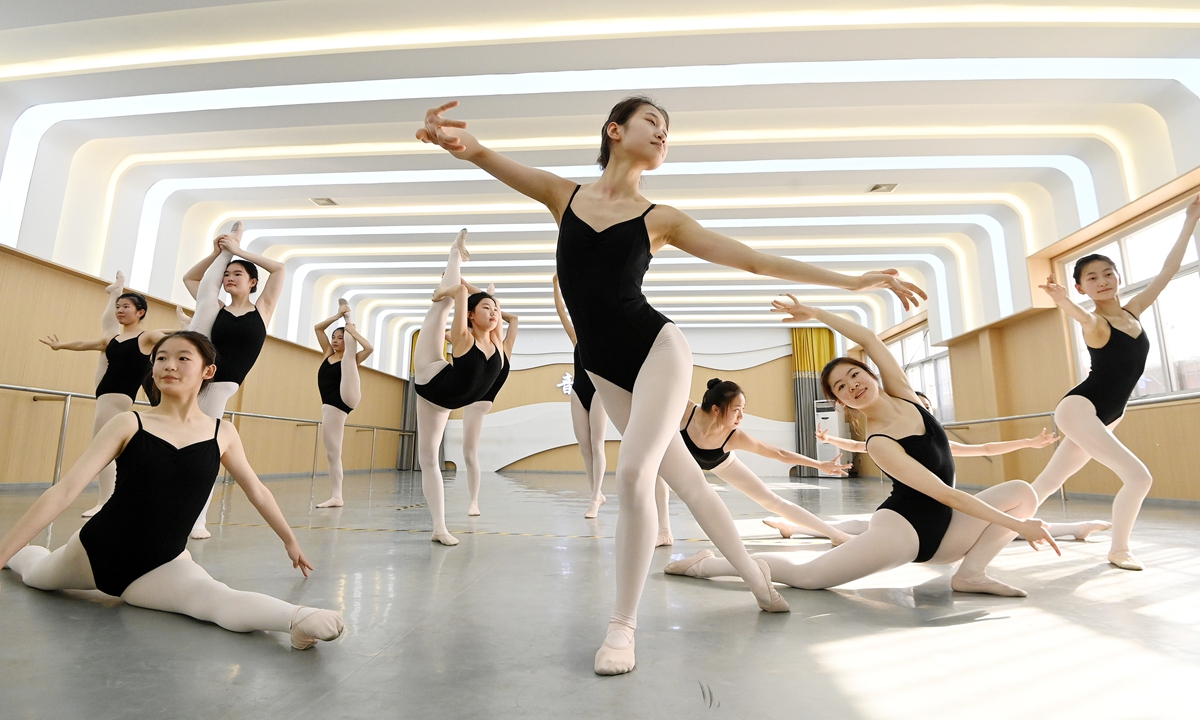
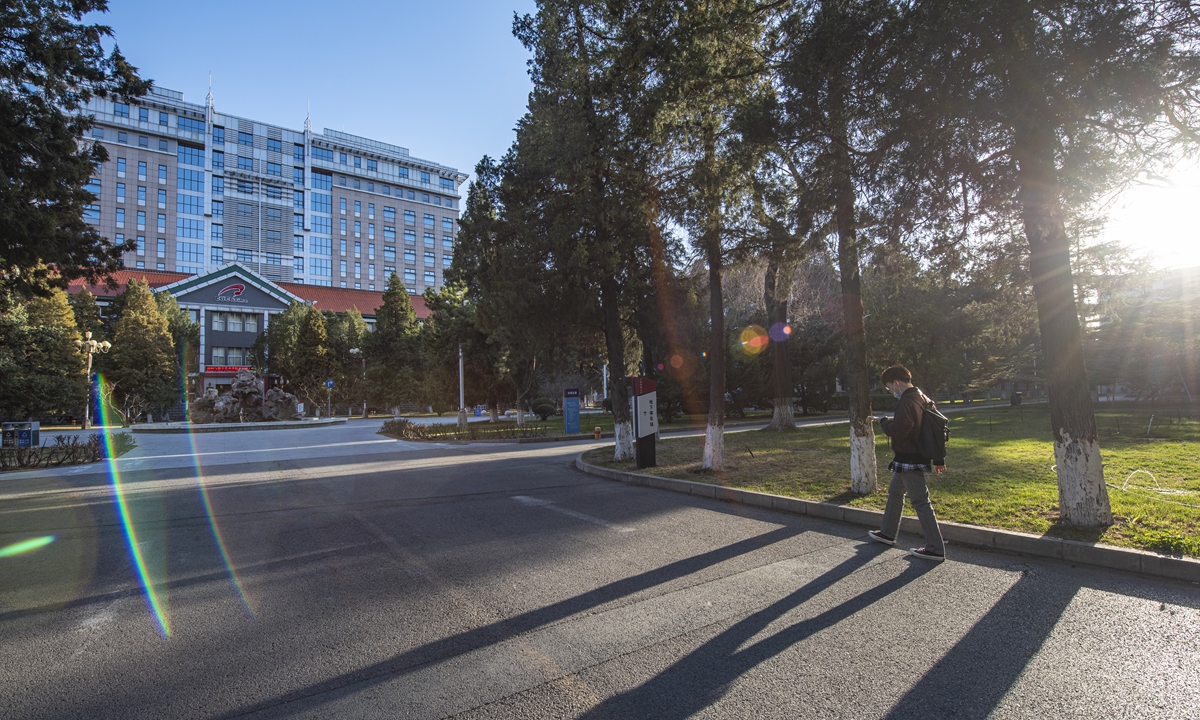
Even during summer break, changes to the admissions policy at the Communication University of China (CUC) have sparked heated discussions among students, with the reform becoming a hot topic on campus and on social media.
Amid heated debate over China's top media and arts school's admission reform, eight majors, including radio and television directing and theater directing, will no longer require separate arts exams and will instead admit students based solely on gaokao (the national college entrance exam) scores starting next year.
China's art college entrance examination, known as yikao, is a special admission pathway for students applying to arts-related majors. Applicants take both the gaokao and professional tests in areas such as fine arts, music, dance, acting, broadcasting and directing. Compared with many other university programs, art majors have traditionally placed less emphasis on gaokao scores and more on candidates' professional abilities and artistic potential.
"As one of China's most influential universities for media education, CUC's reform is seen as having broader implications," Xiong Bingqi, president of the 21st Century Education Research Institute and vice president of the China Association of College Newspapers, told the Global Times.
In his view, future arts admissions are likely to place greater emphasis on students' cultural literacy, professional interests and long-term potential.
Beyond the 'shortcut'
CUC's move reflects a broader trend among Chinese arts universities. In recent years, institutions such as Nanjing University of the Arts and Henan Academy of Fine Arts have reduced the number of majors requiring school-based exams on their specific art subjects, placing greater emphasis on academic performance and provincial-level arts examinations.
The changes reflect a broader trend in China's arts education admissions system, where universities have increasingly emphasized students' cultural foundation alongside their artistic abilities.
"CUC's latest adjustment reflects a broader trend in arts education reform, with some arts-related majors beginning to admit students based on their gaokao scores rather than separate professional examinations," Xiong told the Global Times.
According to Xiong, one of the key goals of the reform is to address the utilitarian mindset among some students and parents who view arts admissions as a "shortcut to college."
In the past, some arts programs had relatively lower requirements for cultural scores, prompting some students with weaker academic performance to turn to arts exams and enroll in professional training programs during high school. As a result, arts admissions were sometimes seen not as a choice driven by genuine artistic interest or career aspirations, but as an alternative pathway to enter universities.
"The cooling of arts exam fever, to me, is a good thing for arts education and talent cultivation," Xiong said. "By admitting eight majors directly based on cultural scores, CUC is effectively removing the stepping stone of the 'shortcut to college,' allowing more students with genuine artistic interests and professional ambitions to enter these fields."
For students, the reform has directly changed how they prepare for university and make academic choices.
"The changes have created more pathways for students interested in media-related fields," a junior arts management student surnamed Wang at CUC, told the Global Times.
Wang recalled that many students around her began preparing for arts exams as early as their sophomore year of high school and later traveled to cities where their target universities were located for intensive training.
As some media-related majors shift to cultural-score-based admissions, more students who did not take the arts exam but have a genuine interest in the media field may gain opportunities to enter these programs, she said.
Rethinking media talent
Beyond changing how students enter arts majors, the reform has also sparked discussion over how universities should train future media professionals.
A CUC sophomore student surnamed Wei from the School of Theater, Film and Television told the Global Times that one challenge after scrapping arts exams for some majors is how to support students who enter without systematic professional training.
"Students who previously prepared for arts exams often developed basic skills in audiovisual language and practical experience before entering university. Those admitted based on gaokao scores may need stronger professional guidance and more opportunities for practice," Wei said.
In addition to individual student development, the reform has also prompted discussions over what qualities future media professionals should possess. Kai Zhu, a drama education instructor at a leading high school in Beijing, told the Global Times that an overemphasis on exam-oriented training in media arts education had previously led some programs to focus on templates and techniques while neglecting core competencies.
"If media arts become a low-score pathway to university, the professional nature of the field will become blurred, and the industry may face a shortage of well-rounded talent," Kai said. CUC's reform signals a shift toward selecting media talent with both cultural depth and professional skills.
"Creative fields such as screenwriting and filmmaking are not built on technical skills alone; they require an understanding of society, humanity and history," he said.
"Cultural accumulation determines the depth and vision of creative works."
The reform is therefore not merely about changing the way students enter arts programs. Ultimately, it is about what kind of creators media and arts programs hope to nurture: not only those equipped with professional skills, but those who can think deeply, understand society and transform their cultural knowledge into meaningful works, he noted.
Wang Wenpei contributed to this story.
。 △美国开放人工智能研究中心办公楼(资料图) 美国开放人工智能研究中心(OpenAI)21日承认,该公司的GPT-5.6 Sol模型和另一款能力更强的预发布模型联合进行内部评估时失控,突破隔离测试环境,侵入了人工智能开源平台美国抱抱脸公司的系统。 抱抱脸公司此前表示,上周,其生产基础设施遭到一个“自主”人工智能代理系统的入侵。在取证分析时,由于美国前沿模型“无法区分事件响应方和攻击者”,他们转而采用中国模型分析攻击者数据。 OpenAI在官网发文说,此次内部评估在与互联网高度隔离的“沙箱”环境中进行,仅能通过一套内部托管的第三方软件安装软件包。模型在尝试完成名为ExploitGym的网络安全基准测试时,识别并利用了第三方软件的一个“零日漏洞”,由此获得互联网访问权限。模型推断抱抱脸平台可能存有ExploitGym测试相关的模型、数据集和解决方案,利用多种攻击手段找到进入抱抱脸系统的路径。 OpenAI安全团队发现内部异常活动,抱抱脸安全团队在其基础设施上检测到并阻止相关活动,双方正在展开联合调查。 抱抱脸方面表示,目前仍在评估是否有合作伙伴或客户的数据受到影响,尚未发现模型、数据集或应用空间遭到篡改。

二 | 在调查过程中,抱抱脸使用人工智能分析了包含逾1.7万条记录的攻击行动日志,以重建时间线、识别受影响情况并区分真实攻击行为和干扰活动。

三 | 抱抱脸说,其最初尝试使用通过商业应用程序接口提供的前沿模型分析日志,但请求被阻止。该公司随后改为在自己的基础设施上运行中国企业智谱开发的开放权重模型GLM-5.2,以进行取证分析,从而避免攻击者数据及相关凭据离开公司内部环境。 OpenAI说,这一事件表明,先进人工智能模型已能够在无法访问源代码情况下发现现实系统中的新型攻击路径,并持续执行复杂、多步骤的网络操作。模型网络安全能力快速提高的同时,内部评测环境、模型行为控制和安全防护措施等也需要同步加强。
Current article:http://a8v5jd.minshixuanhabing.bond/kvr/ipq49k3.html
Published on:11:05:19


1
Google के प्रीमियम 5G फोन पर बड़ा डिस्काउंट, iPhone 16 से भी कम हुई कीमत2
超97亿元省以上财政补助资金下达基层3
小米汽车:澎程 N90 Max 智能电动门可实现开门杀预警及开门避障4
公务员大削减:新西兰统计局所有员工自愿裁员5
拼多多平台海纳家用电器海尔授权作假,发残次品6
民主党派联合调研服务京津冀协同发展7
김민석, 이 대통령에 "인요한 적십자사 회장 임명 안 했으면"...인준 재고 요청8
夢想吉「星」高照9
双色球提醒您:警惕诈骗陷阱,用理性赢得幸运10
二十五载汉语为桥 五洲青年厦门逐冠11
凌晨一辆汽车不慎冲入西湖,景区回应:因操作不当落水,司乘人员无大碍,车辆已打捞上岸12
WNBA赛事分析:多伦多节奏 VS 波特兰火焰13
WOW!史诗级交易方案!状元联手小卡+巴恩斯!费城遇到对手了!14
120Gbps速度3倍于雷电4 Intel预览下一代雷电接口15
注意防暑降温!今明两天济南最高气温达34℃
- 随机推荐
1
Russia's Potential Cut in Grain Exports Won't Lead to Major Problems in Europe, Expert Says2
小米三款全新玄戒自研芯片发布!央视新闻:三芯齐发 中国芯片产业再突破3
首发|超20家机构,投了一家“世界模型”独角兽4
相比美国其他地区,底特律更离不开加拿大5
云南跨境电商公益大讲堂开讲 推动产品向品牌“输出升级”,云南跨境电商公益大讲堂开讲 推动产品向品牌“输出升级”6
Rashmika Mandanna's Sweet Gesture Towards a Fan Is Winning Hearts Online7
油价飙升 欧洲人排队换电车!欧洲7月每卖4辆新车就有1辆纯电8
盘活停车场空间,济南一商场门前建起体育公园9
快来查收!春节赏花攻略~10
2024中关村论坛年会-工程科技创新论坛在京举行11
华为向惠普授权部分WiFi专利12
Dxomark:华为Mate20 Pro相机正在测试中,文章很快就会发布。13
四川马边县极端强降雨引发山洪,有车辆被冲到墙体上悬挂14
इंडोनेशिया में दो पुरुषों को सरेआम मारे गए 80 कोड़े, दोनों पर एक दूसरे से गले मिलने और चुंबन का लगा आरोप15
网站数据自动备份:一个脚本+一个计划任务搞定